Journal
Restoring a Historic Country Villa in Umbria
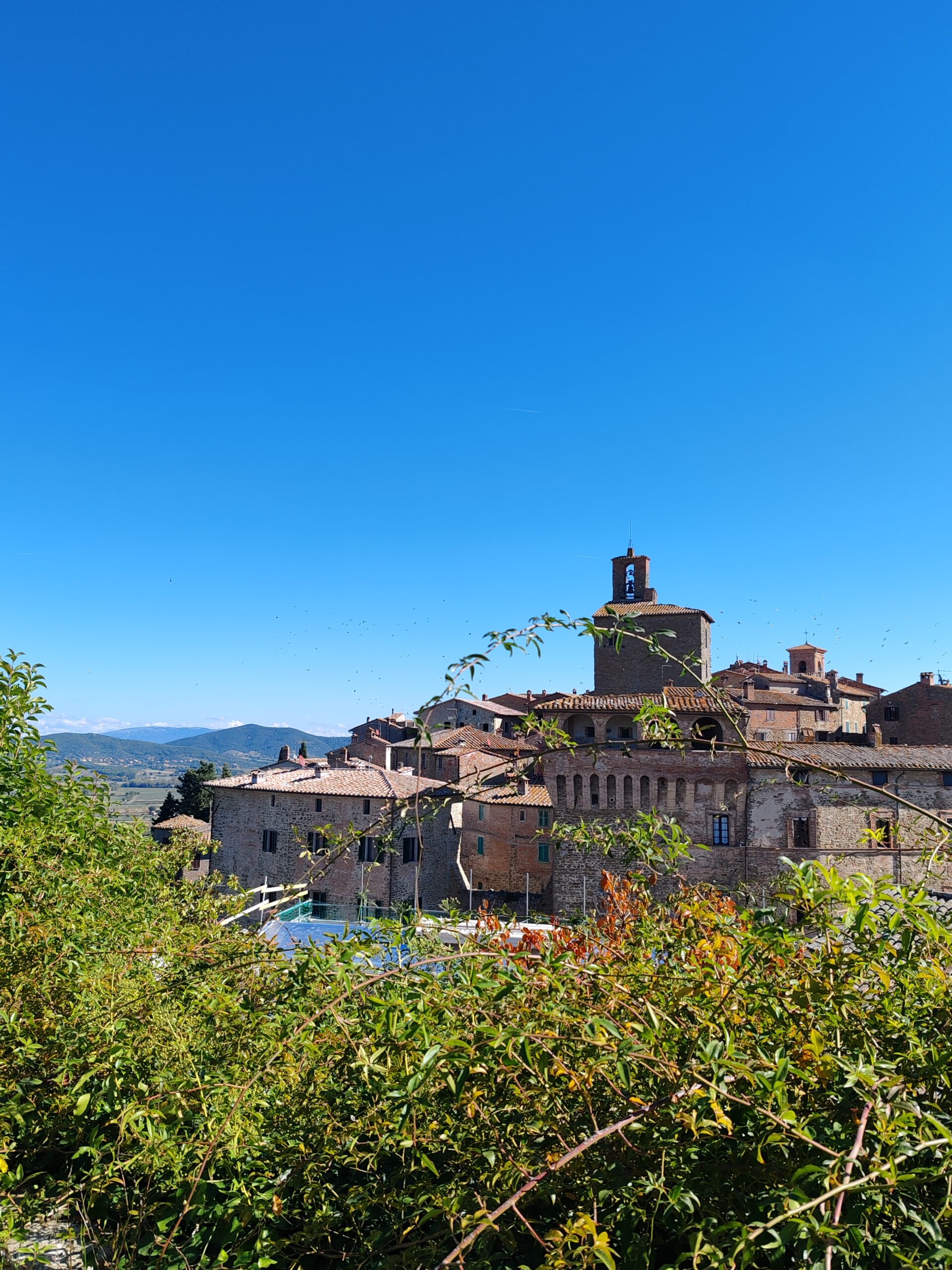
How to preserve the character of a historic Italian home while creating spaces for contemporary living.
There is a particular responsibility that comes with restoring a historic villa in Umbria. These properties carry the character of the places in which they stand: their architecture, materials, proportions and the layers of history accumulated over time.
The challenge is to preserve what makes them distinctive while allowing them to meet the needs of modern life.
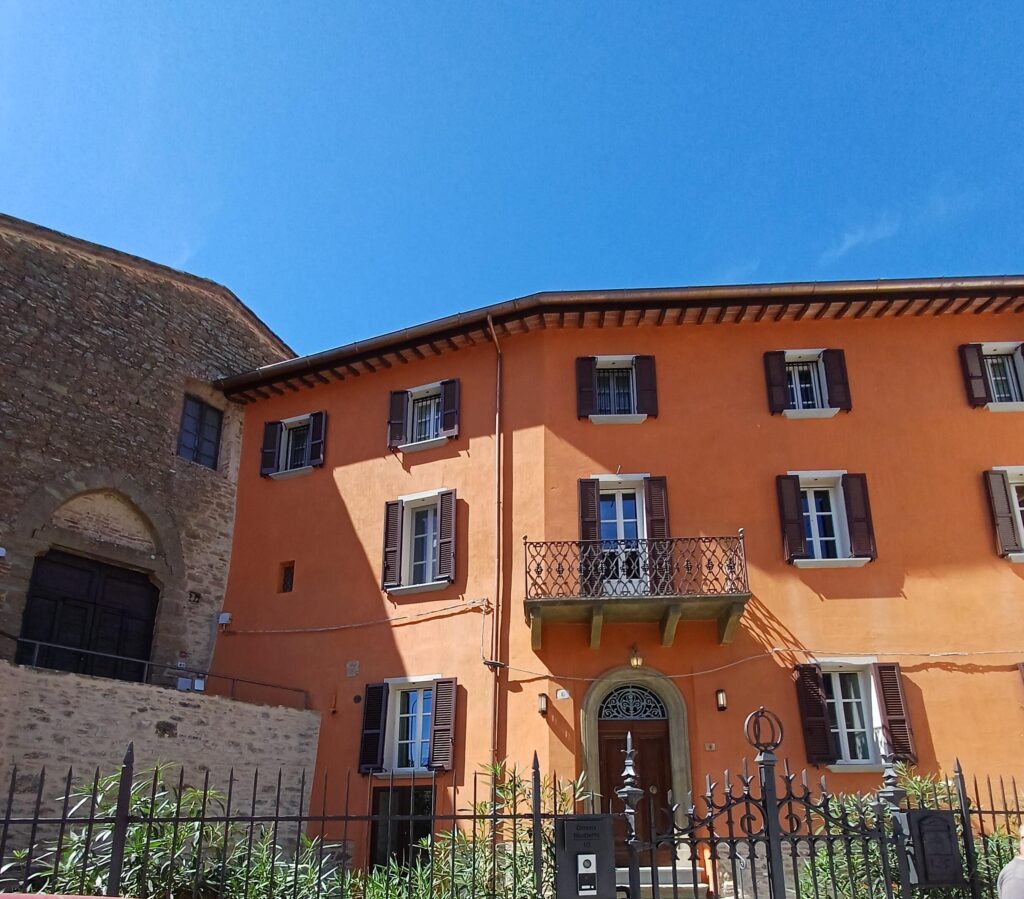
At Riccardo Vicarelli Architects, our work in Umbria is shaped by this balance between heritage and transformation. Our restoration of a historic villa in Panicale, overlooking the rooftops of the medieval town and the landscape around Lake Trasimeno, illustrates how a considered architectural approach can give an existing property a new purpose without losing its identity.
Understanding the building before making changes
A successful restoration begins with understanding the property as it is.
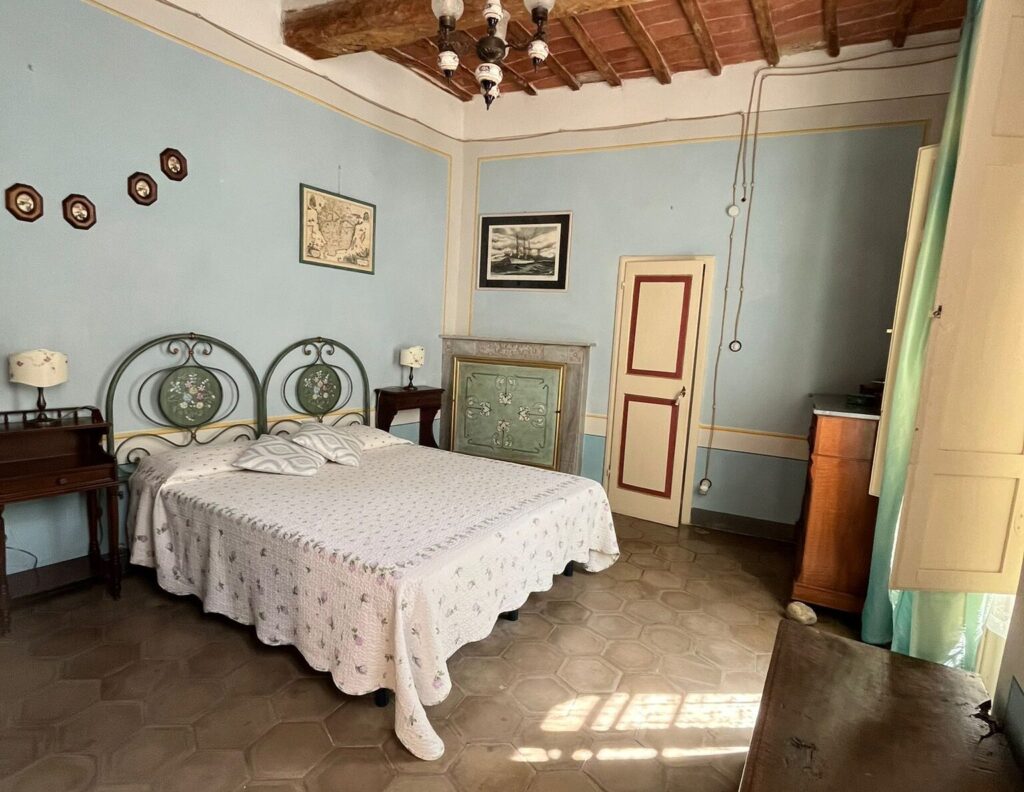
The villa in Panicale had been unoccupied for a considerable period, and parts of the building required significant attention. The first challenge was therefore to assess the existing structure, understand its potential and establish how the property could be brought back to life.
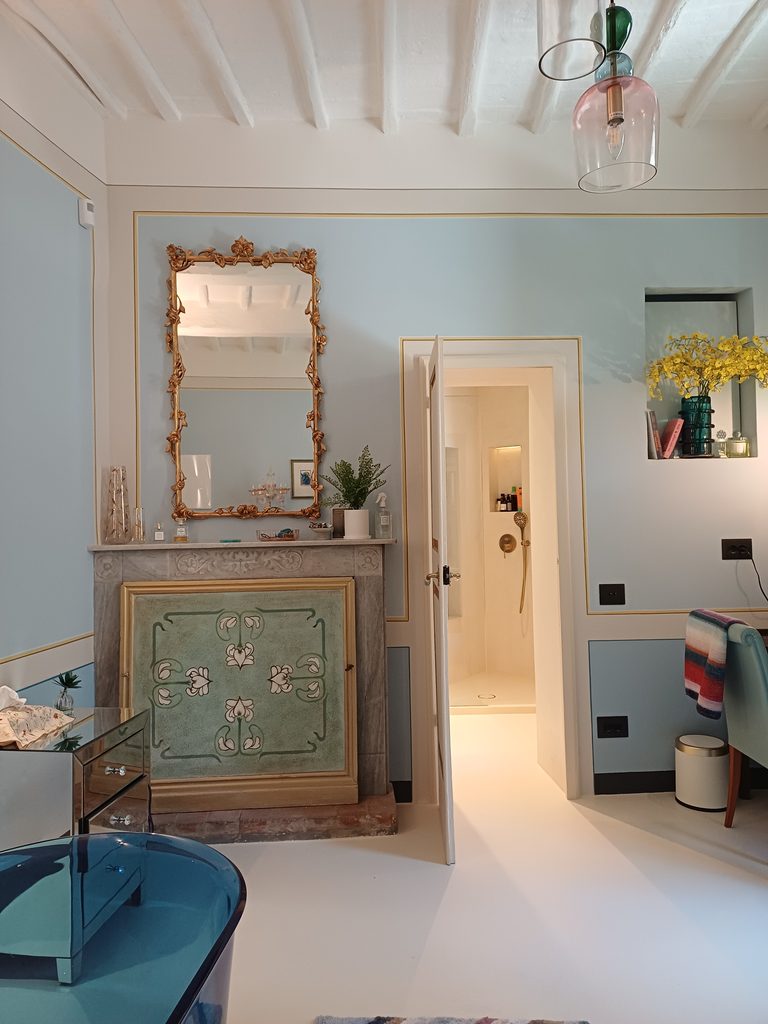
Rather than treating the house as a blank canvas, the design approach started with its existing character. High ceilings, traditional architectural details and the original arrangement of the principal spaces provided the foundation for the transformation.
This initial understanding is essential when working with historic properties. Not every room needs to be redesigned, and not every original element needs to be replaced. Often, the most successful interventions are those that reveal the qualities already present.
Preserving character while improving everyday living
One of the defining aspects of a historic villa is the relationship between its original architecture and the way its spaces are organised.
Traditional Italian properties were designed around patterns of living that may differ from those of contemporary families. Restoring them successfully requires a careful reconsideration of how rooms connect, where people gather and how private spaces relate to shared areas.
In Panicale, the brief was to create a welcoming home where family and friends could spend time together, while preserving the atmosphere and architectural character of the property.
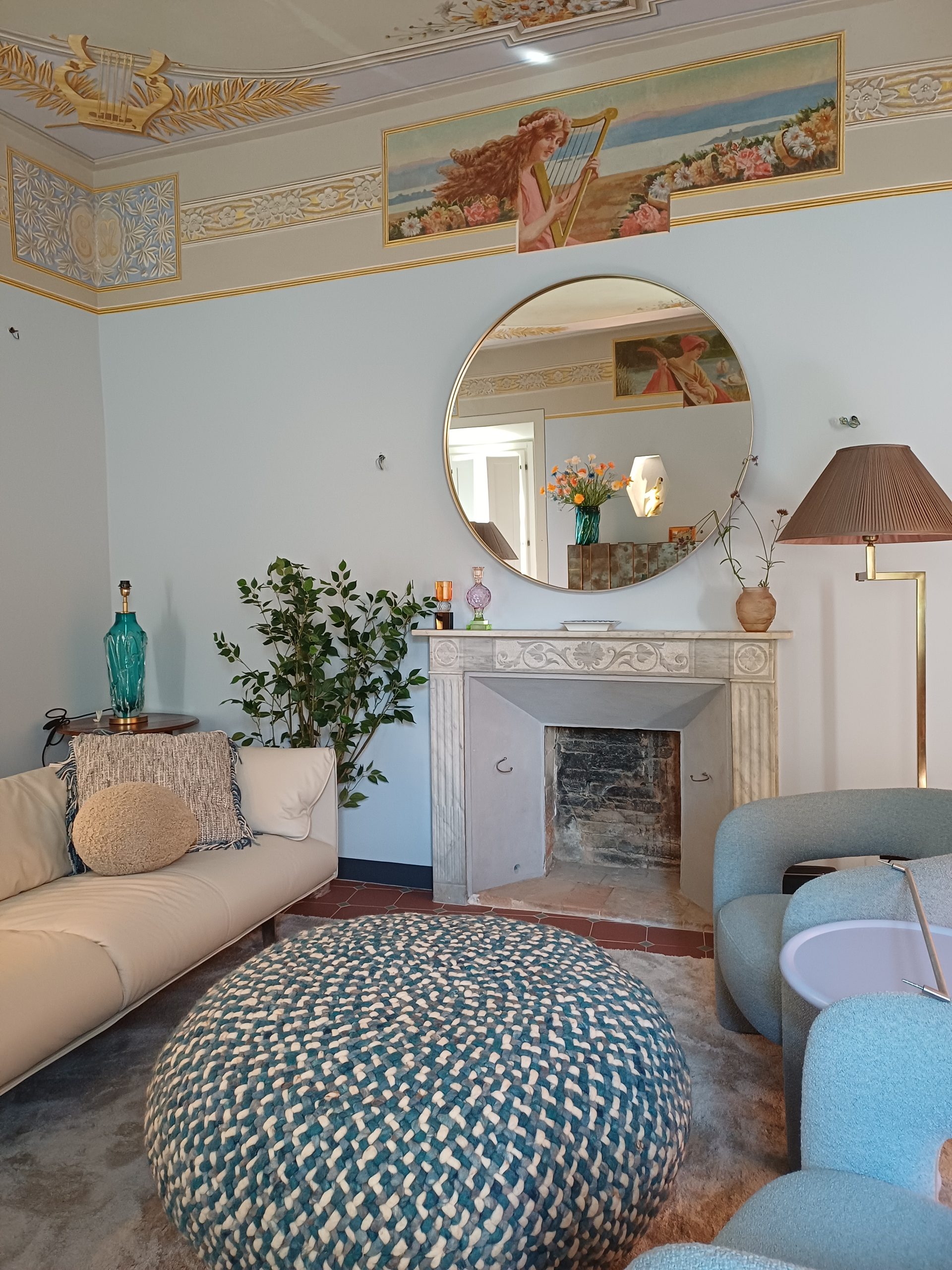
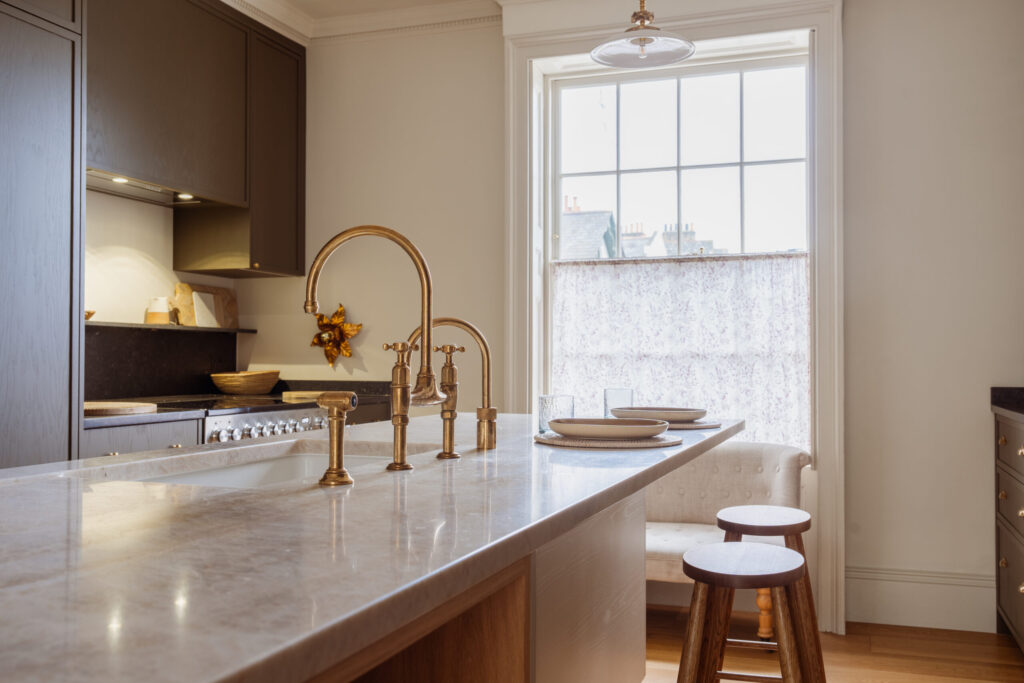
The kitchen, dining and living spaces were connected to encourage a more natural flow between everyday activities. At the same time, quieter areas were retained and adapted to provide privacy and comfort.
The objective was not to impose a completely new layout on the villa, but to make the existing architecture work more effectively.
Bringing light into historic interiors
Natural light can transform the experience of an older building.
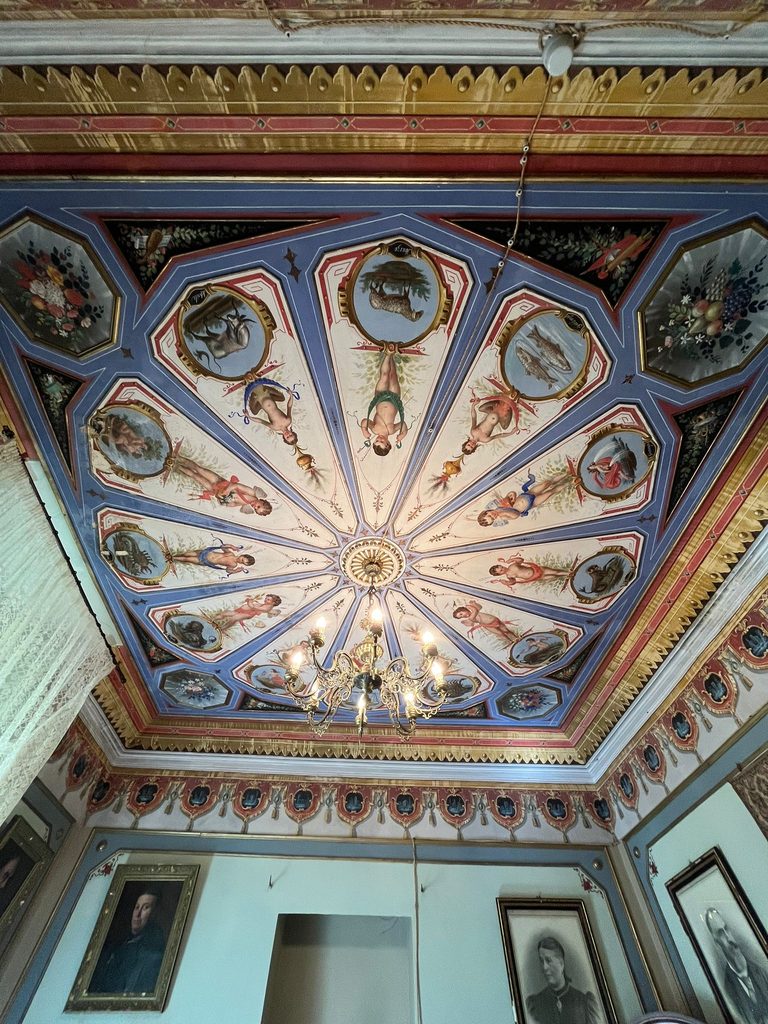
Historic villas often have generous proportions and distinctive architectural features, yet some areas can feel disconnected or underused. Carefully reconsidering the layout and the use of existing spaces can help create interiors that feel brighter, more open and more inviting.
At Panicale, the former loft was transformed into a bright retreat, introducing a new way to experience the property while making better use of the available space.
The approach demonstrates an important principle of renovation: creating contemporary comfort does not always require a dramatic architectural gesture. Sometimes, it means recognising the potential of a space that has previously been overlooked.
Every intervention should respond to the building, enhancing its qualities rather than competing with them.
Connecting the villa with its surroundings
In Umbria, the landscape is an integral part of the architectural experience.
The rolling hills, historic settlements and changing light are not simply a backdrop to a property. They influence how the house is experienced, how its gardens are used and where people naturally want to spend their time.
For the villa in Panicale, the relationship with the outdoors was therefore an important part of the restoration.
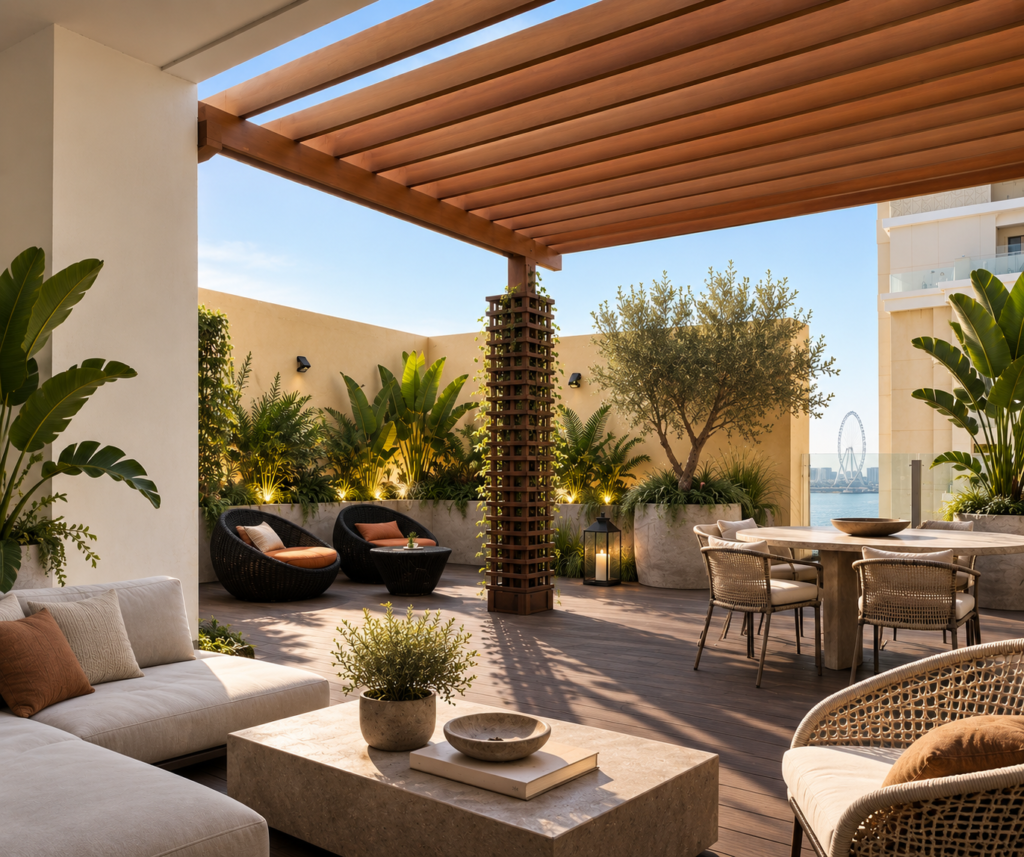
The front garden, rear garden and terrace were enhanced to create distinct outdoor settings for relaxation and social gatherings, with views across the town and towards Lake Trasimeno.
These spaces extend the experience of the house beyond its walls. A terrace becomes a place to gather at the end of the day; a garden offers a quieter retreat; an outdoor dining area creates a natural setting for long lunches with family and friends.
The result is a more complete relationship between architecture, landscape and everyday life.
A contemporary home rooted in Italian heritage
Restoring a historic villa is ultimately about finding the right relationship between continuity and change.
Original architectural features give a property its identity, while carefully planned improvements make it suitable for the way its owners want to live today. The work requires sensitivity, technical understanding and a clear vision that brings the different parts of the project together.
At RVA, our approach combines architectural design, interior design and project management to guide each stage of the process. From understanding the existing building to coordinating the design and overseeing the transformation, every decision contributes to the wider vision for the property.
In Panicale, the ambition was to restore a historic home as a welcoming setting for contemporary living, preserving its connection to the place while giving it renewed purpose.
The most meaningful restorations do not erase the past or recreate it artificially. They allow history to remain present while making room for a new chapter.
A historic villa in Umbria should feel connected to its past, but ready for the life that will unfold within it.
If you are considering restoring a historic villa or country house in Umbria, RVA can guide you from the initial assessment and architectural concept through design development, project management and construction.
Let’s work together
From reading to making.
Six quick questions and you speak to the right studio on WhatsApp, context already in hand.