May 11, 2026
Planning Permission in London: What You Need to Know Before You Start
Tags
Home Renovation London
Interior Design London
Residential Design and Build
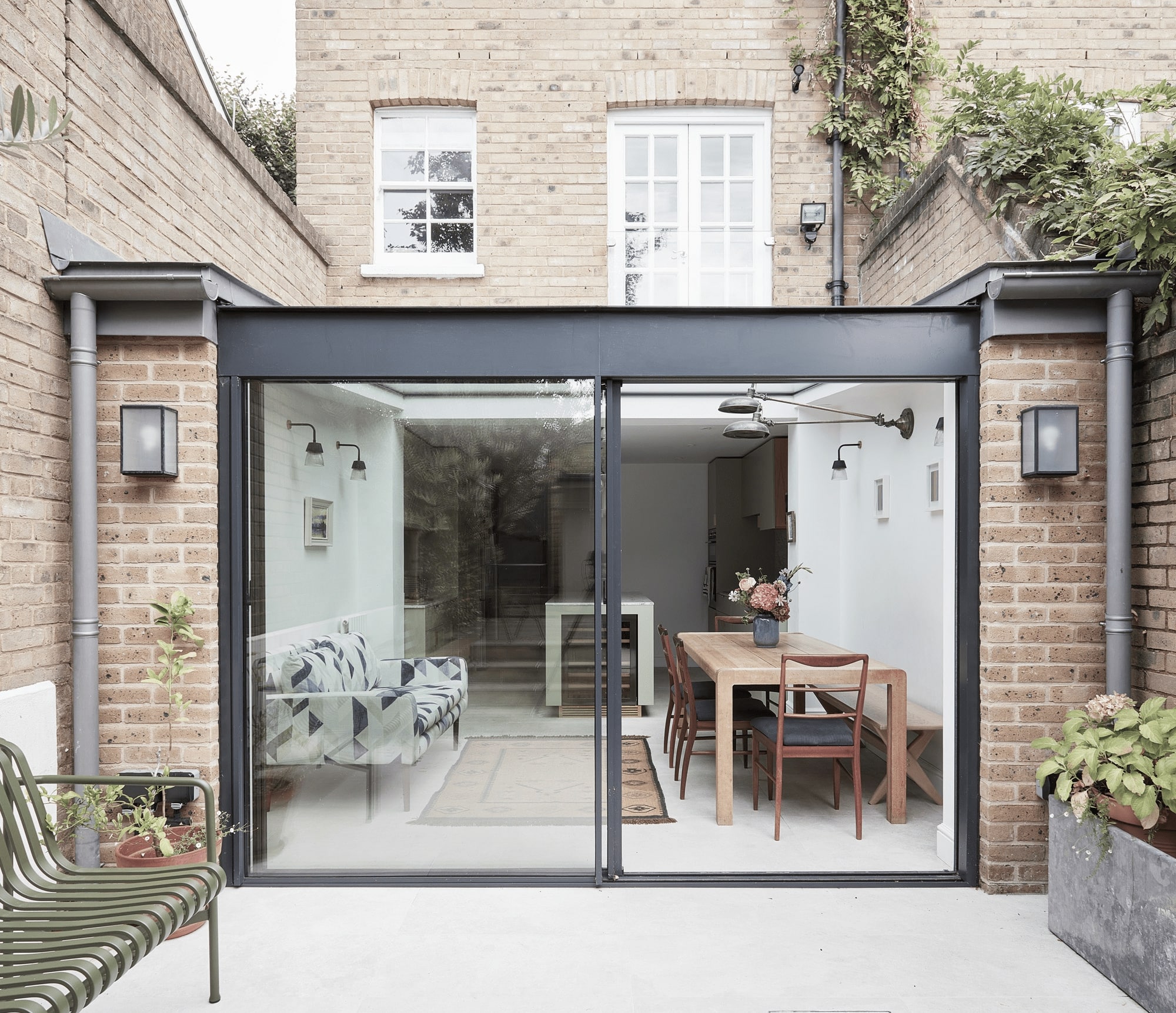
Starting a renovation or extension in London is an exciting step, but before any design becomes reality there is usually one stage that shapes everything that follows: planning permission.
For many homeowners, this part of the process feels unclear or unnecessarily complicated. In reality, once you understand how it works and how it applies to your specific property, it becomes much more manageable. The key is to address it early so that design decisions are guided by what is actually achievable, rather than adjusted later under pressure.
At RVA, we see planning not as an obstacle but as an essential framework that helps shape a successful and well considered project.
Do You Actually Need Planning Permission?
Not every project in London requires full planning permission. Some works fall under what is known as permitted development, which allows certain changes to be made without a formal application.
However, whether this applies depends entirely on the nature of the property and the scope of the work. Factors such as whether the building is located in a conservation area, whether it is listed, and how significantly the external appearance is being altered all play a role in determining what is required.
What may appear to be a straightforward extension or refurbishment can sometimes require formal approval, particularly in areas where planning control is more sensitive. This is why early clarification is so important before design work progresses too far.
Permitted Development and Full Planning Explained
Permitted development rights allow homeowners to carry out certain improvements without submitting a full planning application. These rights are designed to make smaller, less intrusive changes more straightforward and efficient.
Full planning permission is required when a proposal has a greater visual, structural or spatial impact on the property or its surroundings. This process involves a more detailed review by the local authority and usually takes longer to determine.
Understanding which category your project falls into from the beginning is essential. It allows the design to develop in the right direction and avoids unnecessary revisions later on.
The Complexity of London Properties
London presents a particularly complex planning environment due to its architectural heritage and urban density. Many homes fall within conservation areas or are classified as listed buildings, both of which introduce additional considerations.
In these cases, even relatively modest alterations can require approval. The purpose of these controls is not to prevent change but to ensure that architectural character and historical value are respected and preserved.
Working within these constraints requires experience and sensitivity. A well considered design that acknowledges planning policy from the outset is far more likely to progress smoothly through approval.
Common Issues Homeowners Encounter
One of the most frequent challenges arises when homeowners begin the design process without first understanding planning limitations. This can lead to proposals that are visually appealing but not realistically approvable in their current form.
Delays often occur when planning timescales are underestimated or when assumptions are made based on similar projects in the area. Each property is assessed individually, and what has been approved elsewhere is never a guarantee of approval in another context.
Another common issue is making detailed design decisions too early, before the planning strategy has been properly established. This can result in avoidable redesign work and added costs later in the process.
How the Process Actually Works
Although every project is unique, the planning process generally follows a clear structure.
It begins with an assessment of the property and its planning constraints. From there, a design is developed that responds both to the client’s vision and to relevant planning policy. Once the design is resolved, the necessary drawings and supporting documents are prepared and submitted to the local authority.
The council then reviews the application, during which time they may request further information or minor amendments. The aim is to reach a decision that allows the project to move forward into construction with clarity and confidence.
When this process is handled carefully from the outset, it becomes far more predictable and far less stressful.

Why Early Architectural Input Matters
One of the most important decisions in any renovation is involving an architect early, before ideas become fixed.
Early involvement allows potential planning challenges to be identified at the beginning rather than during later stages of design development. It also ensures that creativity is guided by realistic constraints, reducing the risk of developing concepts that may not be achievable.
Good architecture is not only about design quality but about understanding context, regulation and practicality from the very start.
Making Planning Work for Your Project
Planning permission should not be seen as a barrier to design but as a process that helps refine it. When approached correctly, it brings structure and clarity to a project and ensures that the final result is both achievable and well considered.
With the right guidance, what can initially feel like a complex and technical process becomes a structured journey with clear outcomes.
At RVA, we support clients through every stage, ensuring that design ambition and planning requirements work together in harmony rather than in conflict.
Thinking About a Project?
Whether you are considering a renovation, extension or complete reconfiguration of your home, understanding planning requirements early will always lead to a smoother and more successful outcome.
A well designed home always begins with clarity.
Start Your Home Renovation Journey In Dubai
Related posts