Journal
Design, Build, and the Making of Space
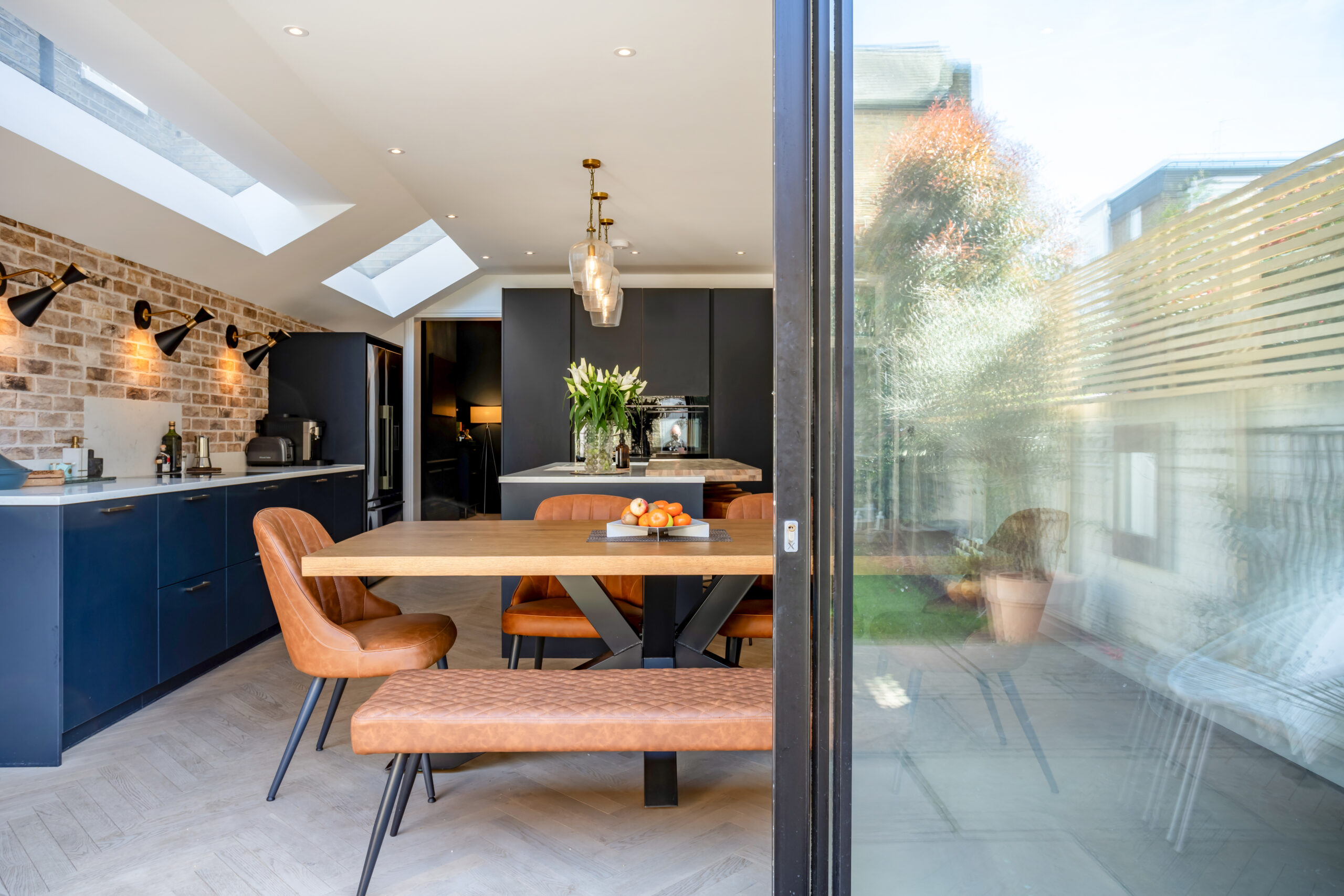
A renovation rarely begins with drawings. It begins with a sense that a place could be reinterpreted — that its spaces could respond more precisely to how life is lived today, while still carrying the memory and character of what already exists.
At RVA, architecture is approached through a design-led and integrated process, where design and construction are not treated as separate phases, but as parts of a continuous dialogue. This is the essence of a design and build approach: a method in which ideas are shaped not only by ambition, but also by the reality of making them possible.
This way of working is rooted in a broader architectural culture that values both precision and sensitivity. It reflects a tradition in which design is never isolated from construction, and where the act of building is considered an extension of architectural thought. In this sense, every decision is both creative and technical, and every idea is tested against its ability to be realised.
In the early stages of a renovation, there is always a natural desire for clarity. Clients often arrive with questions about cost, timing, permissions, and what the process will involve. These are reasonable expectations, yet they exist before the full complexity of the project has been revealed. At this point, the role of design is not to confirm answers immediately, but to develop understanding, to translate intentions into spatial possibilities and to begin shaping a framework within which decisions can become more precise.
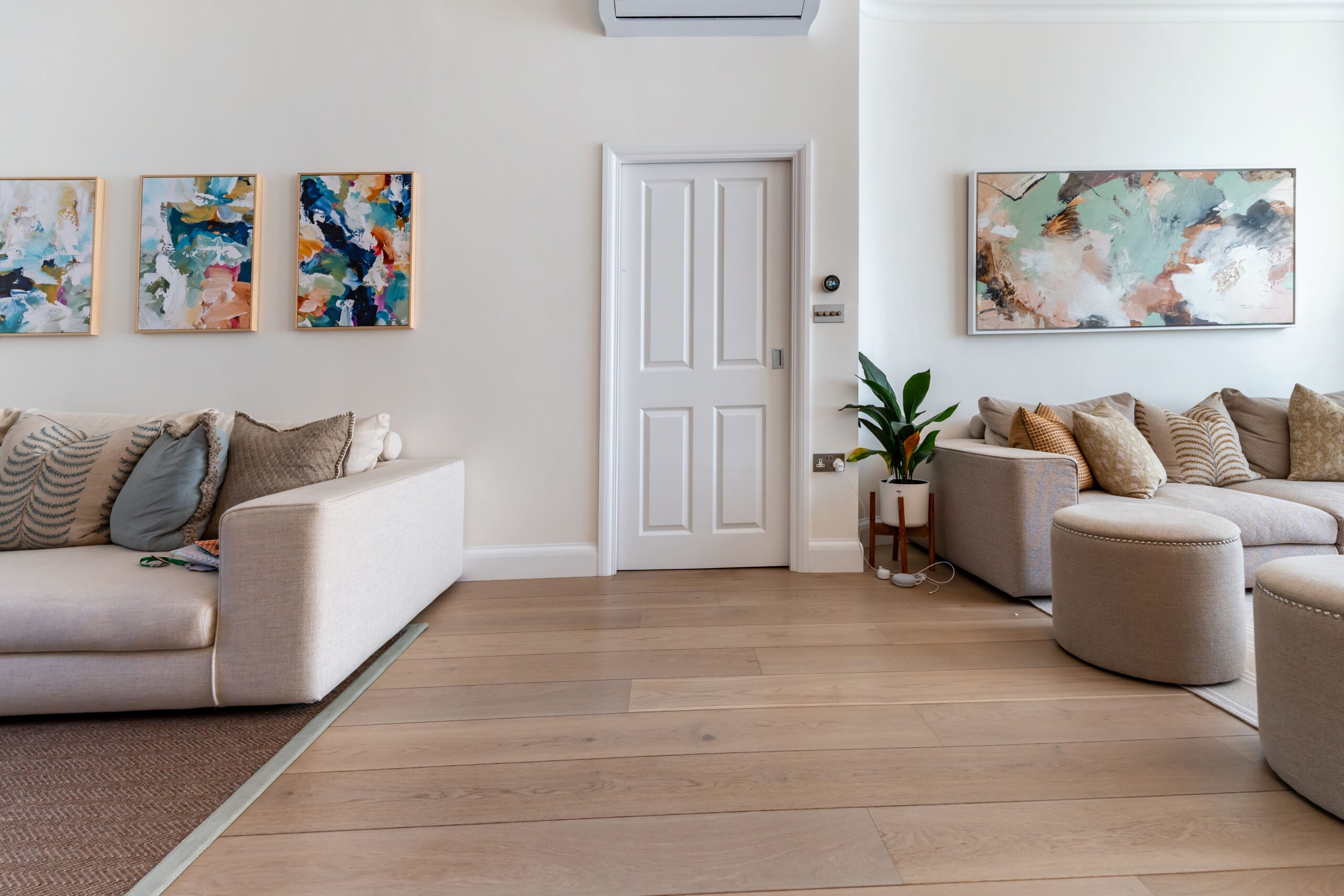
As the design evolves, so does its relationship with construction. Spatial ideas begin to meet structural logic, material considerations, and technical constraints. What initially appears as a conceptual exercise gradually becomes a coordinated system of decisions, where every element influences the next. This is where a design and build approach becomes particularly significant, as it allows design intent and construction feasibility to develop in parallel rather than in sequence.
Cost, within this process, is not an isolated starting point but an outcome of design resolution. The extent of structural intervention, the level of craftsmanship, the quality of materials, and the complexity of detailing all contribute to shaping the final investment. For this reason, early figures can only ever be indicative. Real accuracy emerges gradually, as the design becomes more defined and the project gains clarity through iteration.
Planning considerations also play an important role in shaping early direction. While often perceived as a procedural step, planning is deeply connected to architectural intention. It reflects context, proportion, and sensitivity to place. Rather than limiting design, it frames it, offering boundaries within which ideas are refined and tested.
Yet even with careful design development and technical coordination, renovation remains inherently linked to the unknown. Existing buildings carry histories that are not always visible at first inspection. It is only once construction begins, often during the strip-out phase, that the full condition of a structure is revealed. Hidden alterations, aged services, or unexpected structural conditions may emerge, not as exceptions, but as part of the reality of working with existing fabric.
It is for this reason that contingency is not considered a margin of uncertainty, but a fundamental part of a responsible process. It allows a project to respond calmly to the unforeseen without disrupting the coherence of the design or the integrity of decision-making. In well-prepared projects, contingency is not about anticipating failure, but about enabling continuity.
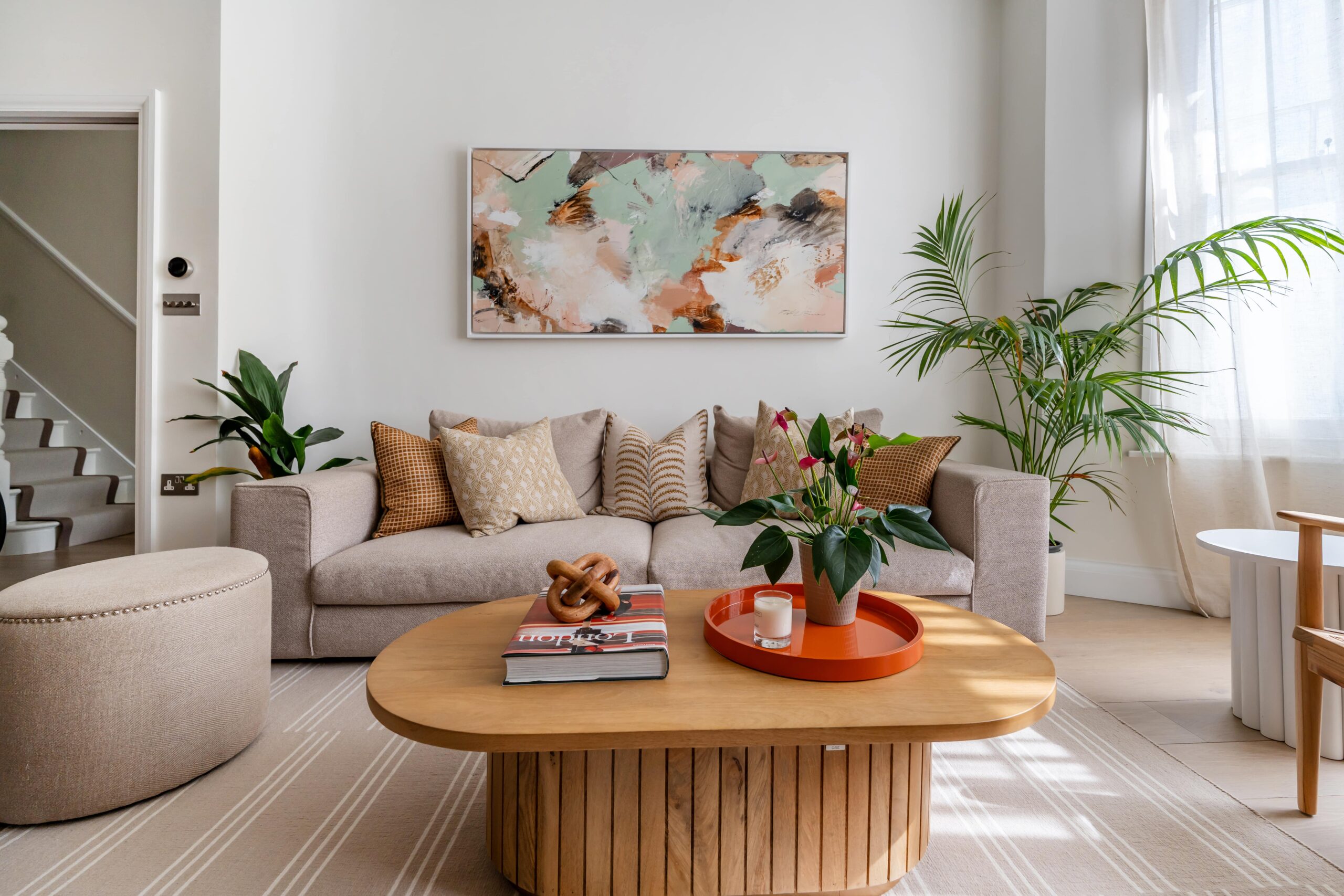
Another aspect that often becomes clearer as a project develops is the relationship between renovation and occupation. While some works can be carefully phased, many interventions require a level of construction activity that affects the safety, comfort, and practicality of remaining in the home. This is not always evident at the beginning, but becomes more defined as the sequencing of works is understood. Considering this early allows for more honest planning of both logistics and overall investment.
What defines a successful renovation is not the absence of complexity, but the way complexity is managed. A design and build approach offers a framework in which design thinking, technical resolution, and construction knowledge evolve together. It replaces fragmentation with continuity, allowing decisions to be made with greater awareness and alignment.
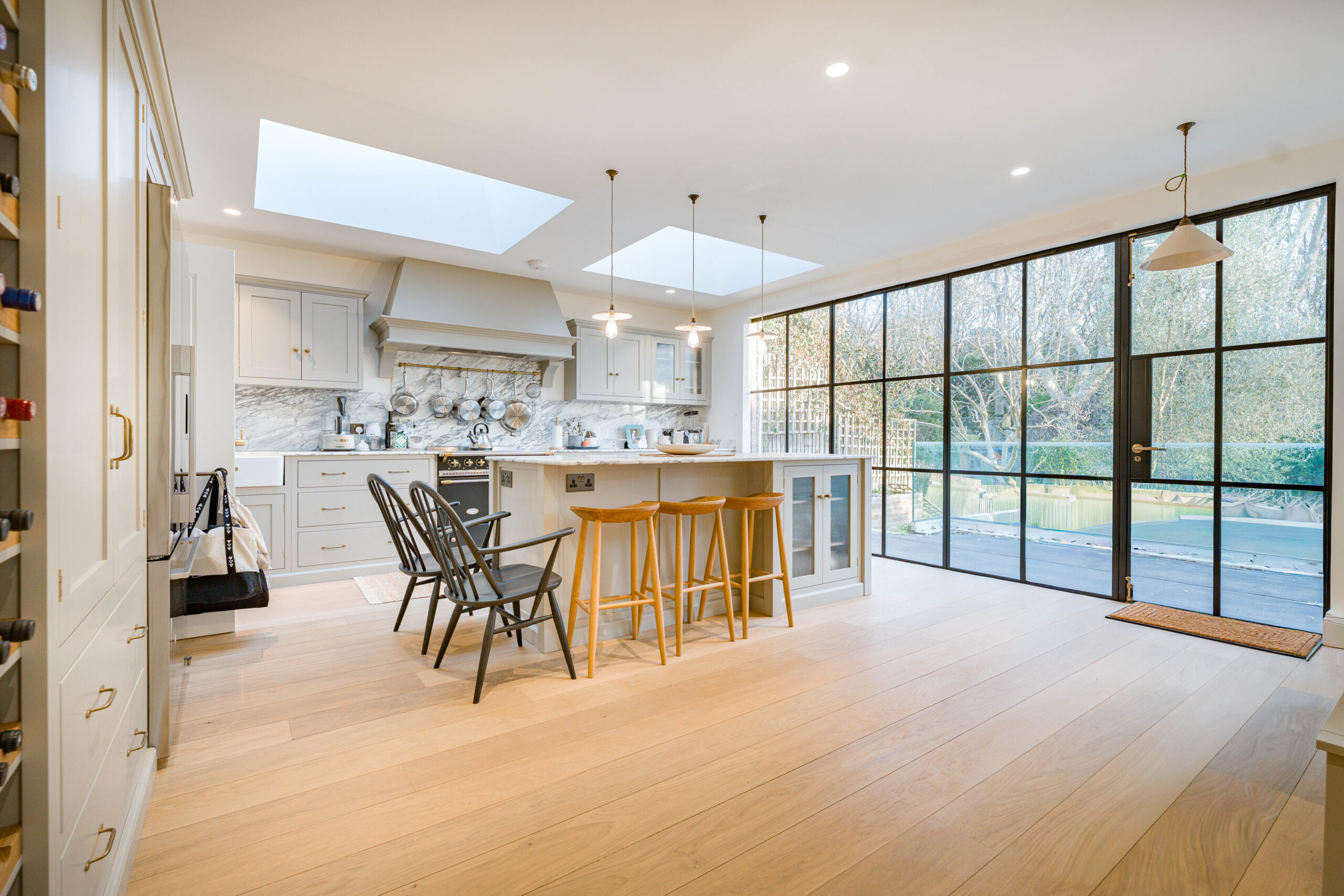
Ultimately, renovation is not a linear process. It is a layered one, where each stage informs the next, and where clarity is achieved progressively rather than instantly. The strength of an integrated, design-led approach lies in this continuity, in the ability to carry an idea from its earliest conceptual form through to its final built expression without losing coherence along the way.
At RVA, this process is understood as a form of architectural responsibility: to ensure that what is imagined can be carefully translated into what is built, with precision, clarity, and respect for both the existing structure and the intentions that shape its transformation.
If you are planning a residential renovation, extension, or new-build project, our team can help you transform your vision into a carefully designed and functional home. rnrnContact us to discuss your project and discover how thoughtful architecture can elevate the way you live.


Let’s work together
From reading to making.
Six quick questions and you speak to the right studio on WhatsApp, context already in hand.